

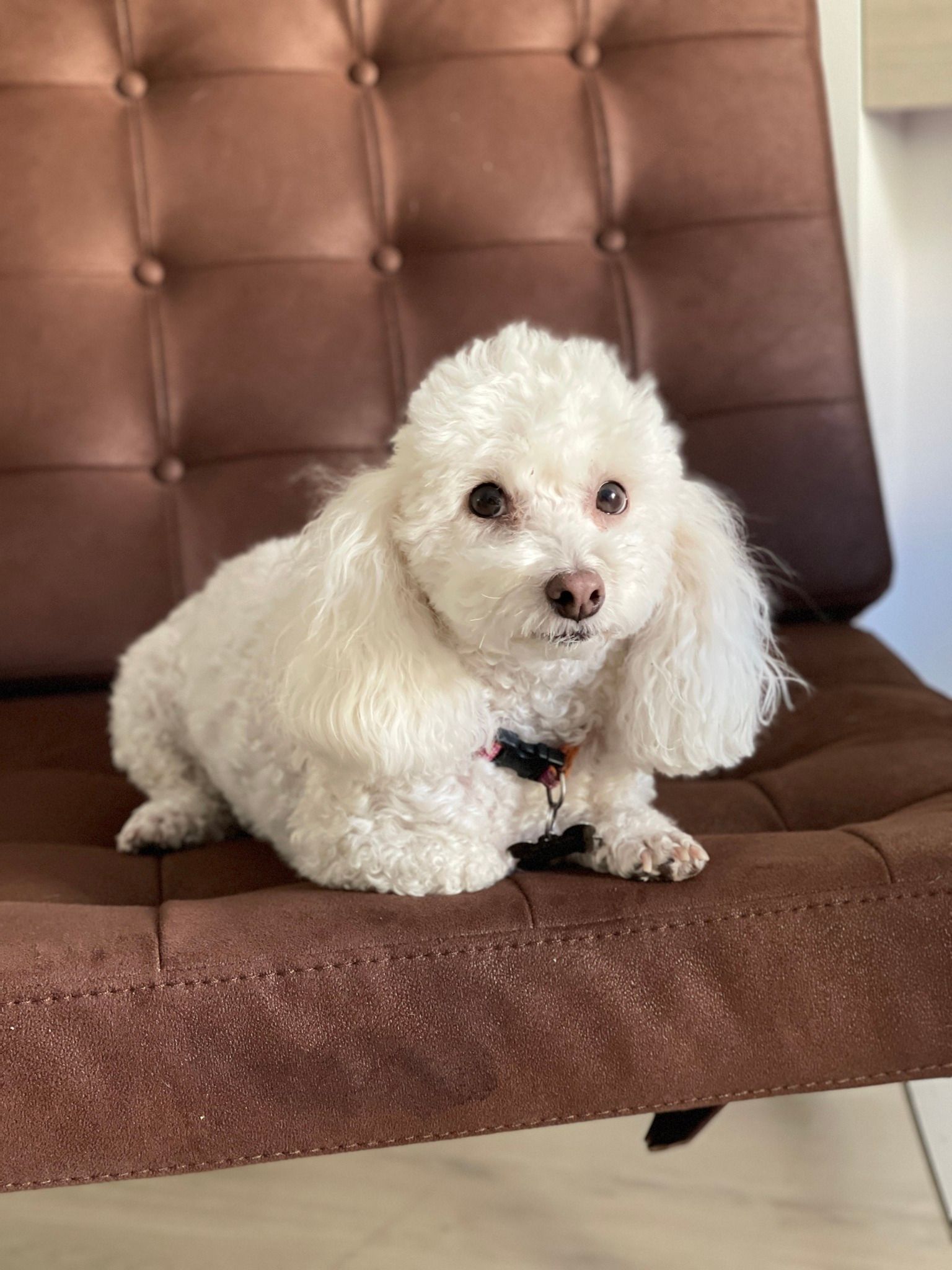
A structured grooming routine significantly improves the travel experience for pets and their owners. When pets feel clean, comfortable, and physically well, holidays become smoother, calmer, and safer. At PETsTourism.com , we encourage responsible pet travel. Below is a professional yet practical hygiene and grooming checklist you can use during your stay in Portugal. Checklist: Hygiene and Grooming While Traveling Presented by PETsTourism.com Daily Care Routine Small daily actions prevent bigger problems. Dental Care Brush your pet’s teeth using animal-specific toothpaste. This prevents tartar buildup and bad breath during travel. Changes in water or diet while abroad can sometimes increase plaque formation. Paw Inspection Especially important in Portugal. Check paw pads for: Sand Grass awns (locally called espiguilhas) Small stones Irritation from hot pavement Portugal’s surfaces can be rough and extremely warm in summer. Coat Maintenance A quick daily brushing removes loose hair, dust, sand, and debris after outdoor activities. Weekly Care Routine Consistency prevents infections and discomfort. Ear Check Inspect ears for redness, odor, or discharge. After swimming in the sea or a pool, ears must be thoroughly dried to prevent infections. Thorough Brushing A deeper grooming session prevents matting, especially in long-haired breeds. Coastal humidity combined with sand can quickly create tangles. Monthly Care or As Needed Nail Length Check if nails touch the ground while your pet is standing still. If they do, trimming is necessary. Long nails can cause joint strain during longer holiday walks. Bathing Wash your pet with a mild dog shampoo. Tip: Bathe your dog at the end of your holiday to remove accumulated sea salt, sand, and dust before car or air travel. Portugal-Specific Grooming Advice Portugal’s climate and environment require extra attention. Heat Management For long-haired dogs, properly brushing out the undercoat improves airflow and helps regulate body temperature in warm weather. Parasite Prevention Portugal has sandflies and ticks. During grooming sessions, always check for: Ticks Skin irritations Bite marks Preventive treatment against Leishmaniasis and tick-borne diseases is strongly recommended. Hydration Fresh water is part of hygiene. Proper hydration helps prevent urinary tract problems and supports overall health, particularly in hot climates like Portugal's summers. Why This Matters Professional-level grooming is not about luxury. It is about prevention. Daily checks catch problems early. Weekly routines maintain comfort. Monthly care supports long-term health. When pets feel good, travel feels good. For more practical travel guidance and pet-friendly accommodation across Portugal, explore PETsTourism.com .

Portugal has beautiful gardens, lush villa landscapes, and colorful roadside plants. But here is the reality - many popular plants that thrive in the Algarve and across Portugal are toxic to dogs and cats . For guests of PETsTourism.com , this is essential knowledge. Tourists often assume the flora is similar to Northern Europe. It is not. If you are staying in Portugal with pets, especially in private villas, holiday homes, or rural areas, read this carefully. Common Toxic Plants in Portuguese Gardens Below are the most frequent toxic plants found in the Algarve and throughout Portugal.

If you are staying in Portugal between January and May , this is not optional knowledge. The Pine Processionary Caterpillar can be extremely dangerous for dogs . Every year, pets suffer severe injuries because owners simply did not know what to look for. This guide from PETsTourism.com explains exactly how to recognize the risk, what to do in an emergency, and how to prevent contact. What Is the Pine Processionary Caterpillar? The Pine Processionary Caterpillar (Thaumetopoea pityocampa), known in Portuguese as Lagarta do Pinheiro, is common in Portugal, especially in areas with pine trees. The danger comes from their microscopic toxic hairs . These hairs: Cause severe allergic reactions Trigger intense inflammation Can lead to tissue necrosis (especially of the tongue) May cause breathing obstruction in severe cases For dogs that sniff, lick, or step on them, exposure can escalate within minutes. When Is the Risk Highest? The danger period is January to May , with peak risk in early spring. In late winter and early spring, the caterpillars leave their nests and move in long nose-to-tail lines across the ground to pupate. This is when dogs most often encounter them. And here is the hard truth - pine forests are everywhere in Portugal (and Spain), not just in remote countryside areas. How to Recognize Them 1. The Nests Look up. You will see white, cotton-like nests high in pine tree branches. These are highly visible and often look like white balls stuck to the tree. 2. The Caterpillars In spring, they move in long processions across the ground, forming what looks like a small moving train. If you see a line of caterpillars - do not approach. Turn around immediately. Symptoms After Contact If your dog has touched or licked one, you may notice: Excessive drooling Swollen tongue or lips Pawing at the mouth Vomiting Signs of pain or distress Breathing difficulty This is a medical emergency. What To Do If Your Dog Has Contact Do not hesitate. Every minute matters. 1. Rinse Immediately Flush your dog’s mouth or skin with large amounts of lukewarm water. Important: Do NOT rub the area. Rubbing breaks the hairs and releases more toxin. 2. Go to a Veterinary Emergency Hospital Drive immediately to the nearest 24-hour veterinary hospital. Permanent damage can occur very quickly. 3. Protect Yourself Wear gloves if possible. The hairs are also irritating to human skin and eyes. Prevention Tips for Dog Owners in Portugal You avoid 95 percent of incidents by being disciplined. Keep your dog on a leash in forested areas between January and May Avoid walking directly under pine trees on sunny early spring days If you see a procession, make a wide detour Warn other dog owners nearby This is not an overreaction. It is basic risk management. Final Advice from PETsTourism.com Portugal is an incredible country for dogs, but nature here comes with different risks than Northern Europe. If you are staying between January and May, stay alert around pine trees. One careless moment can lead to surgery, permanent damage, or worse. Be proactive. Stay informed. And protect your dog the smart way.
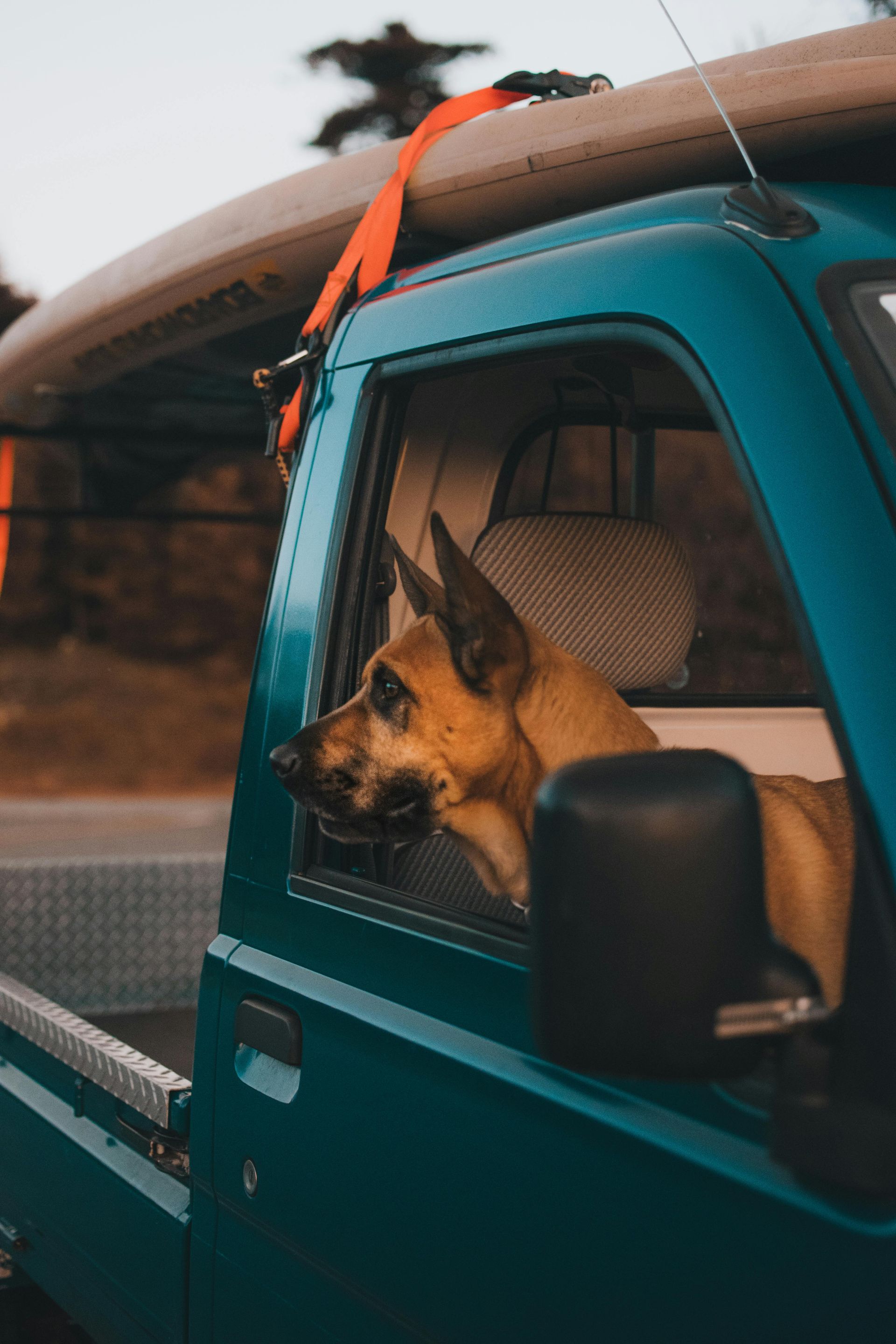
Traveling to Portugal with your dog is an amazing experience, but only if you are properly prepared. Heat, parasites, road safety rules, and local regulations are different from Northern Europe. This practical packing list by PETsTourism.com ensures you do not forget anything essential. Bookmark this page and use it as your final check before departure. Documents & Administration (Do Not Skip These) These are the absolute basics for legal and safe travel: EU Pet Passport Including microchip number and a valid rabies vaccination. Collar ID tag With your name and phone number including country code (for example +31, +44, +49). Liability insurance copy (WA) Check if damage caused by your dog is covered abroad. Local veterinarian contact Save at least one vet near your holiday address in Portugal. Recent photo of your dog Essential if your dog gets lost. Travel Safety & Road Rules (Portugal Is Strict) Portugal has clear rules for dogs in cars. Dog seatbelt, crate, or car barrier Mandatory. Dogs are not allowed to sit loose in the vehicle. Car sunshades Long drives plus Portuguese sun create a serious overheating risk. Drinking water for the road Preferably in a thermos to keep it cool. Collapsible travel bowl For quick hydration stops. Dog ramp Strongly recommended for older dogs or heavy breeds. Health & Grooming Essentials Southern Europe brings different health risks. Anti-parasite protection Specifically against sandflies (Leishmania) and heartworm For example a Scalibor collar or equivalent. Tick remover Absolutely essential. Muzzle Required in Portuguese public transport and taxis. Medication Your regular supply plus extra for delays. Paw balm or dog shoes Portuguese pavements and cobblestones can become burning hot. Poop bags Dog shampoo and brush Towels For beach swims, rivers, or washing. Food, Comfort & Heat Protection Comfort reduces stress, and stress causes problems. Dog food for the entire trip Your brand is often unavailable in Portugal. Treats Food and water bowls Dog bed and or crate A familiar sleeping place makes a huge difference. Toys Cooling vest or cooling mat Not optional, essential in Portuguese summer heat. Ground stake (tie-out peg) For safely securing your dog at campsites or holiday homes. Final Pro Tip from PETsTourism.com If you are using a Scalibor collar , put it on one week before departure . This allows the active ingredients to fully spread before you cross into Portugal. Ready for a Dog-Friendly Portugal Trip? Portugal is one of Europe’s best destinations for dog owners, but only if you travel prepared. This checklist helps you avoid heat stress, fines, vet emergencies, and unnecessary panic. Save it, share it, and enjoy Portugal with your dog, the right way.
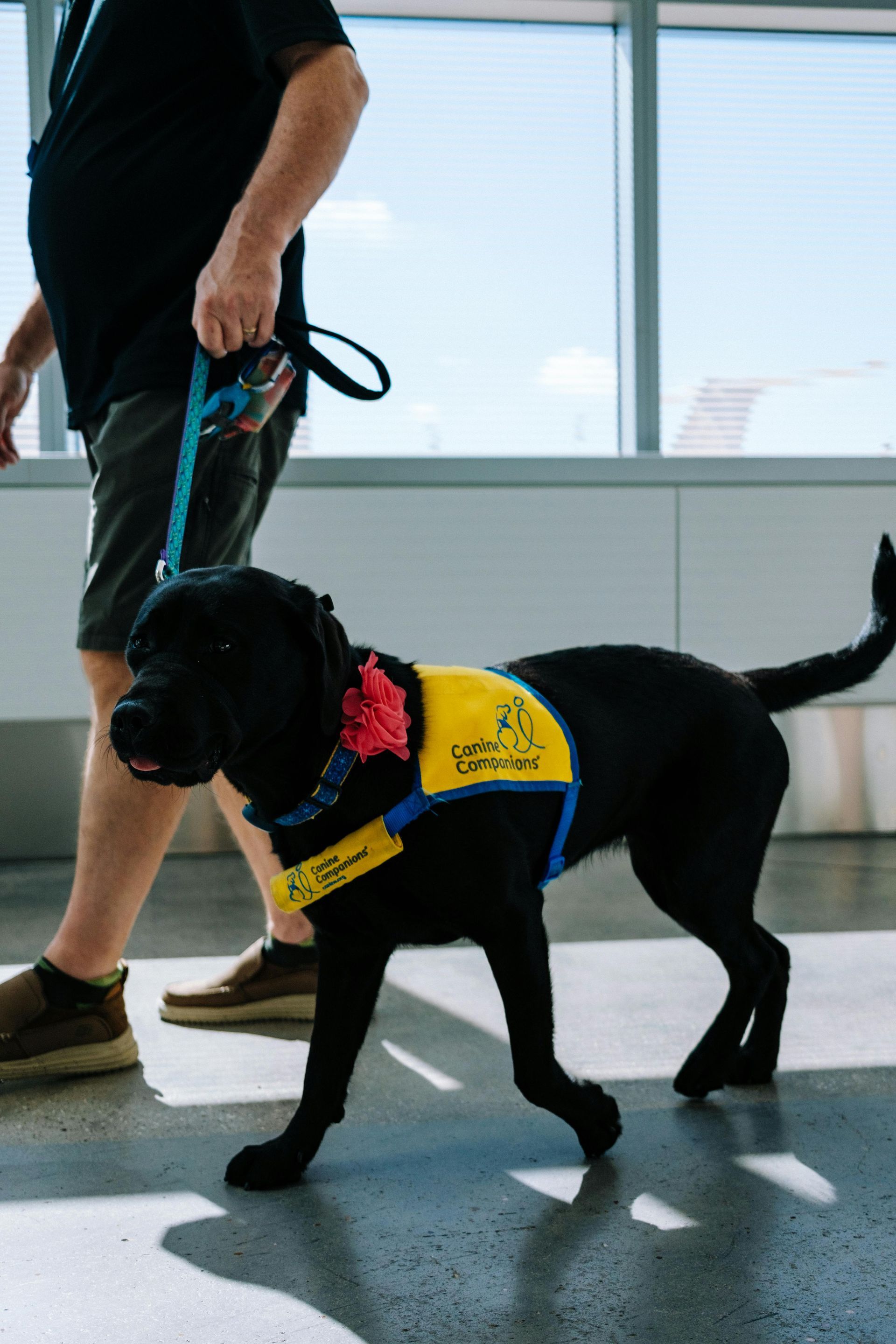
Traveling to Portugal with a certified assistance dog is absolutely possible - and legally protected - but only if you prepare properly. This SEO-friendly PETsTourism.com checklist helps you avoid problems at airports, hotels, restaurants, and public spaces, so you can focus on a smooth and stress-free journey. 1. Documentation & Certification (Non-Negotiable) Portugal takes assistance dog access seriously, but proof matters . Official assistance dog certificate Your dog must be trained by a recognized organization, such as Assistance Dogs International or International Guide Dog Federation . EU Pet Passport Mandatory for all travel within and into the European Union. Recent veterinary health certificate Usually required within 10 days before departure (airlines may ask for this). Microchip identification The dog must be microchipped, and the chip number must match the EU Pet Passport. 2. Vaccinations & Preventive Health Portugal has a warm climate and specific health risks for dogs. Rabies vaccination Must be valid and administered at least 21 days before travel . Parasite prevention Portugal has ticks and sandflies (risk of Leishmaniasis ). Preventive treatment is strongly recommended. Official harness or vest Your dog should be clearly identifiable as an assistance dog at all times (official harness, vest, or markings). 3. Transport: Flying or Train Travel Advance coordination prevents last-minute stress. Pre-notification Inform the airline 48–72 hours before departure that you are traveling with an assistance dog. Written confirmation Always obtain written confirmation that your assistance dog is approved to travel in the cabin . Comfort during travel Bring a familiar blanket or mat so your dog can lie comfortably at your feet during the flight. 4. Staying in Portugal: Know Your Rights Portugal has strong legal protection for assistance dog handlers. Legal access rights Under Portuguese law (DL n.º 74/2007), certified assistance dogs are allowed in all public spaces , including: Hotels Restaurants Shops Public transport 💡 Tip: Keep a digital copy of the law on your phone in case staff are unfamiliar with it. Inform your accommodation in advance Even though no extra fees are allowed by law , notifying the hotel beforehand is polite and helps with room allocation. 5. Practical Preparation on Arrival Before you land, make sure these basics are covered: Nearest veterinarian Save the contact details of a local vet close to your accommodation. Food availability Check whether your dog’s specific food brand is available in Portugal - or bring enough for the entire stay. PETsTourism.com Pro Tip: In Portugal, wearing the official identification tag or medal from the training school on the dog’s collar is often the fastest and simplest way to prove that your dog is a certified assistance animal - especially in busy public places. Travel with Confidence Portugal is one of the most assistance-dog-friendly countries in Europe , but preparation makes the difference between smooth access and unnecessary confrontation. Save this checklist, share it with fellow travelers, and enjoy Portugal knowing your rights - and your dog - are protected .
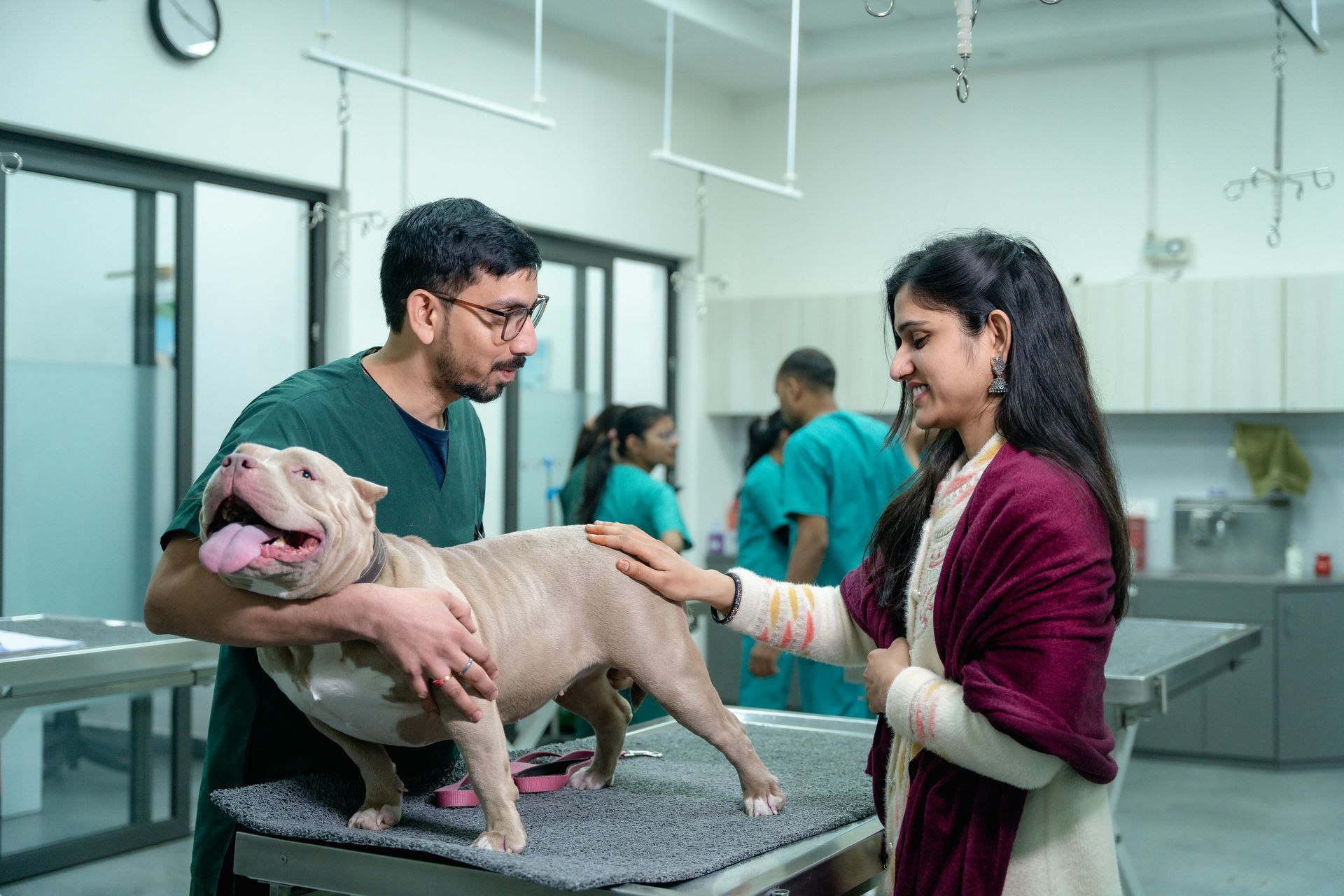
Traveling or living in Portugal with your pet is usually relaxed and enjoyable—but medical emergencies can happen anywhere . This practical, SEO-friendly PETS TOURISM.COM guide helps pet owners stay calm, prepared, and effective when their dog or cat needs urgent veterinary care in Portugal, especially in the Algarve. Whether you’re on holiday, a digital nomad, or living here long-term, bookmark this checklist . When stress hits, clarity matters. 1. Immediate Action in a Pet Emergency When something goes wrong, your reaction sets the tone for your pet and the outcome. Stay calm Pets strongly sense stress. A calm owner helps prevent shock and panic. Always call ahead Before driving to a veterinary hospital, call first . This allows the clinic to prepare equipment and staff—saving precious minutes. Know how to get there Identify the nearest 24-hour Hospital Veterinário in advance and save it in Google Maps on your phone. 2. What to Bring to the Veterinary Hospital Having these items ready can speed up treatment and reduce admin stress: EU Pet Passport Essential for identification, vaccination history, and microchip details. Medication list Bring or note down any medication your pet is currently taking. Pet insurance documents In Portugal, you usually pay first and claim later . Phone & charger You may need to contact family, accommodation hosts, or PETsTourism.com support . 3. Key Portuguese Emergency Terms for Pet Owners Knowing a few words can make communication faster and clearer: Urgência / Emergência Emergency O meu cão / gato está ferido My dog / cat is injured Envenenamento Poisoning (e.g. processionary caterpillars, ticks) Atropelamento Hit by a car Picada de inseto Insect bite or sting 💡 Tip: Show these phrases on your phone if you’re stressed - Portuguese vets are generally very understanding. 4. 24/7 Veterinary Emergency Hospitals in the Algarve These hospitals are among the most reliable emergency vets in southern Portugal : Hospital Veterinário de Portimão, Portimão // +351 282 418 260 Hospital Veterinário do Algarve, Faro // +351 289 823 717 AniCura Algarve, Loulé // +351 289 392 487 See our full list of 24/7 Veterinary Hospitals in Portugal . 5. What About a Pet Sitter or Pet Concierge? If you’re traveling without your pet or staying in short-term accommodation, a local petsitter or pet concierge can be crucial - especially if language or transport is an issue. Ask your accommodation before arrival who they recommend Or use PETSTOURISM.COM to find trusted local pet support in the Algarve (Local concierge contact details depend on region and availability.) Final Advice from PETS TOURISM.COM Most pet emergencies become manageable when you: Stay calm Call ahead Go to the right place Bring the right documents Portugal has excellent veterinary care , particularly in tourist regions like the Algarve. Preparation is the difference between panic and control. 👉 Save this guide , share it with fellow pet travelers, and travel Portugal knowing you’re ready if the unexpected happens.
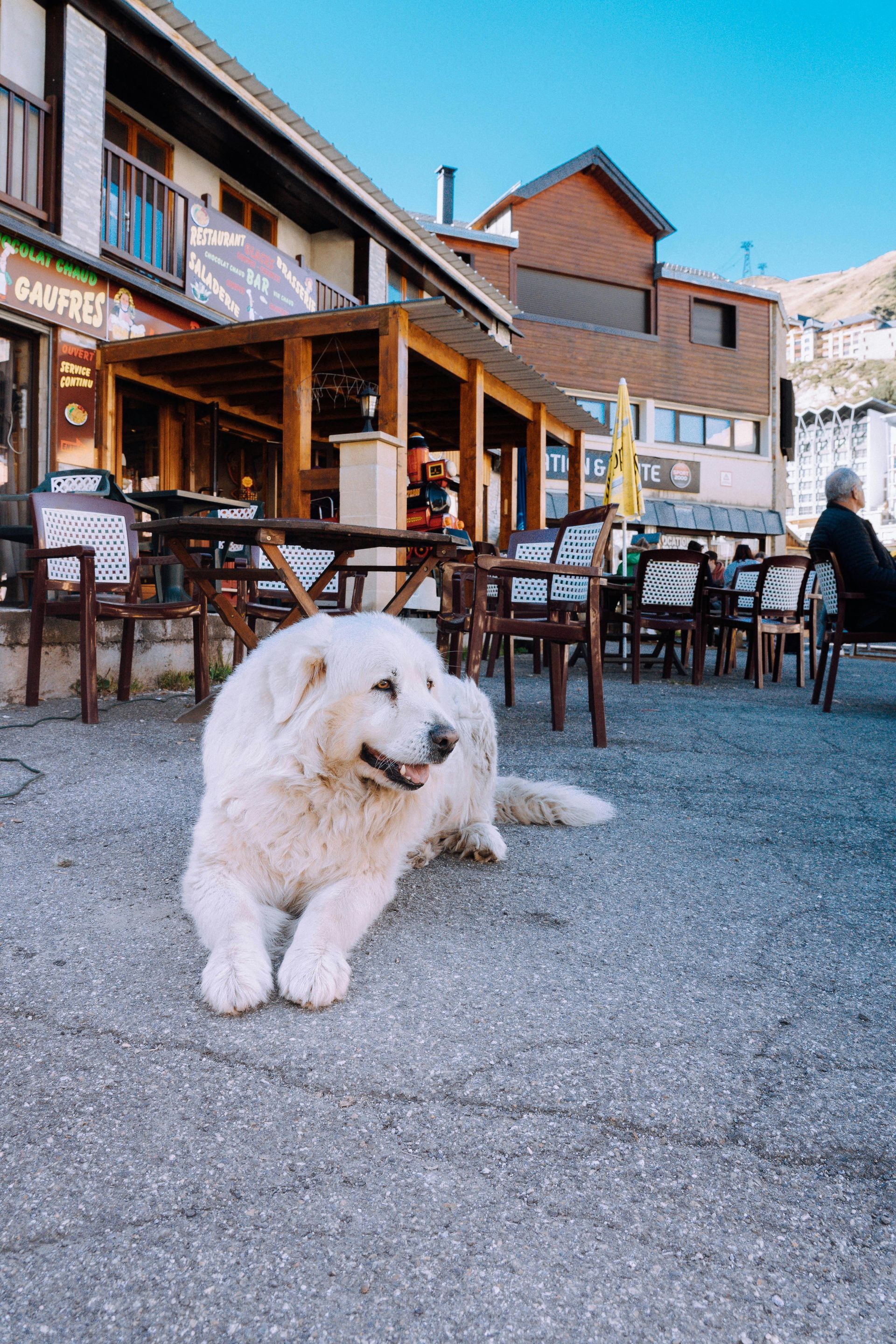
The Algarve has become increasingly dog-friendly , especially over the past decade. While Portugal is still a country where much depends on the individual owner, eating out with your dog is now far easier than most visitors expect . Since 2018 , Portuguese law allows dogs inside restaurants , provided the establishment explicitly permits it and displays a sticker on the door. Even better news: terraces across the Algarve are almost universally dog-friendly . Below is a reminder of the rules - followed by a curated list of popular pet-friendly restaurants , organised by region. What the Law Says (and What Happens in Practice) Dogs are legally allowed inside restaurants only if clearly authorised Most places show a green sticker with a paw print on the door Outdoor terraces are, in practice, dog-friendly in about 95% of cases Asking politely is always appreciated: “Pode entrar com um cão?” For travelling pet owners, this makes the Algarve one of the easiest regions in Southern Europe to dine out with a dog. West Algarve: Lagos, Sagres & Alvor Senhora da Rocha – Alvor / Portimão A favourite among dog owners. Dogs are often welcome inside , and there’s usually a water bowl waiting . Fortaleza da Luz – Praia da Luz Set in a beautiful historic fort. Dogs are welcome on the terrace and sometimes inside , provided they’re calm and on a lead. Three Little Birds – Sagres A laid-back spot for burgers and craft beer with a large, very dog-friendly terrace . Love Burgau – Burgau A charming bistro where dogs are often allowed inside for brunch or dinner . Bar Quim – Lagos (Meia Praia) Right on the beach - perfect for a relaxed lunch with your dog on the sand . Central Algarve: Albufeira, Almancil & Vilamoura Al-Gharb Coffee Roasters – Albufeira Ideal for brunch. Shaded terrace, relaxed vibe, and dogs are genuinely welcome . Casa do Campo – Almancil A beautiful restaurant with a large inner garden beneath a fig tree , where pets can comfortably lie in the shade. Pira Cevicheria – Loulé Fully pet-friendly - both indoors and outdoors , which is still relatively rare in Portugal. Calixtos Beach Bar – Armação de Pêra Relaxed beach bar where dogs are welcome on the terrace while you enjoy the sea view. Garden Café Natura – Almancil A calm, green setting with a strong eco vibe and very pet-friendly attitude . East Algarve: Tavira, Olhão & Monte Gordo Come na Gaveta – Tavira A trendy gastro-bar concept where dogs are welcome on the terrace . La Rosa – Monte Gordo Italian cuisine with an outdoor terrace where four-legged guests are no issue . Restaurante O Manel – Tavira Traditional Portuguese food with a friendly, relaxed terrace . Practical Tips for Dining Out With Dogs in the Algarve Look for the sticker A green paw-print sticker usually means dogs are allowed inside . Terraces are almost always safe Still, it’s polite to ask - and it’s always appreciated. Bring water in summer Many places provide bowls, but during hot months it’s wise to carry your own bottle and collapsible bowl . Eating Out With Your Dog in the Algarve: Easy & Enjoyable The Algarve stands out as one of Europe’s most relaxed regions for pet owners . Whether you’re here for a short holiday or a longer stay, dining out with your dog is usually simple, stress-free, and warmly received . PetsTourism.com helps you discover places where your dog isn’t just tolerated - but genuinely welcome. 🐾
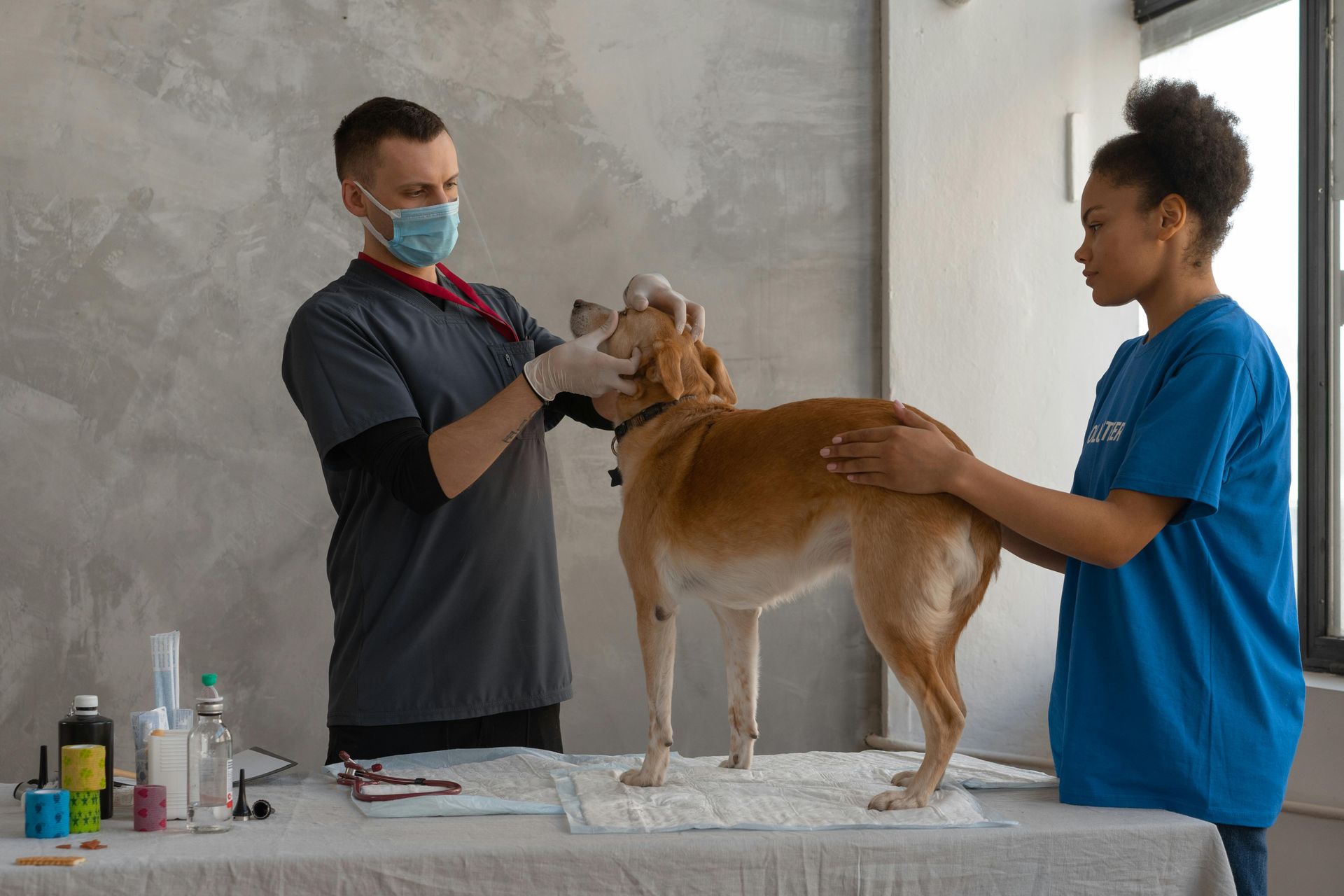
Veterinary care in Portugal is generally good quality and affordable compared to many Northern European countries. Still, prices can vary significantly depending on region, clinic type, and treatment . If you’re travelling with your pet, relocating, or advising international clients, this guide gives you a realistic overview of common veterinary intervention costs in Portugal , plus a few local insights that can save money and stress. Regional Price Differences in Portugal One of the biggest factors influencing veterinary prices is location . Algarve & Lisbon region Prices are usually at the higher end of the range and may occasionally exceed it, especially in 24/7 hospitals and tourist-heavy areas. Interior regions (Alentejo, Beira Interior, near the Spanish border) Veterinary care is often significantly cheaper , with lower consultation fees and reduced labour costs. For travellers, this means emergency care near the coast may cost more - but access and English communication are usually better. Medication: Vet vs Pharmacy In Portugal, medication is commonly sold directly by the vet after consultation. This is convenient for acute treatments. However, for chronic medication (heart medication, long-term anti-inflammatories, etc.), it is often cheaper to: Ask the vet for a prescription Buy the medication at a regular Farmácia (pharmacy) This is a useful cost-saving tip for long stays or expats. Legal Requirements: Microchip Registration (SIAC) Since 2019, microchipping and registration in the national database is legally mandatory . Portugal uses the SIAC (Sistema de Informação de Animais de Companhia). Registration fee: usually around €2.50 In practice, this fee is often included in the standard microchipping price (€23–€30) Important for administration, travel, and proof of ownership Good to know when handling paperwork for international clients. Pet Insurance in Portugal (Growing, But Still Limited) Pet insurance is less common than in Northern Europe , but adoption is growing. Portuguese insurers increasingly offer pet packages, including: Fidelidade Médis These “Pet” or “Petis” plans may: Reduce consultation costs at partner clinics Offer limited coverage for diagnostics or treatments Coverage is improving, but it’s still important to check exclusions carefully , especially for pre-existing conditions. Quick Reference: Common Veterinary Prices in Portugal Basic consultation: €25 – €40 (excluding medication and tests) Annual vaccination (cocktail): €35 – €50 (dog DHPPI / L4) Leishmaniasis test: €25 – €40 (v ery important in Portugal) EU Pet Passport: €15 – €25 (often required for travelling pets) Prices are indicative and vary by region and clinic. Why Disease Awareness Matters in Portugal Portugal is a high-risk country for: Leishmaniasis Heartworm Many Northern European pet owners are not familiar with these diseases, yet prevention is essential - especially in warmer regions like the Algarve. For travellers using PetsTourism.com , this awareness is a major advantage and part of responsible pet travel. Final Tip: Budget for the Unexpected Veterinary care in Portugal is generally fair and transparent, but emergencies, night visits, multi-day stays and coastal regions can add up quickly. Preparation = peace of mind : Know average prices Save contact details of 24/7 hospitals Understand regional differences PetsTourism.com helps pet owners travel informed, prepared, and confident - because your pet deserves the same care abroad as at home. 🐾
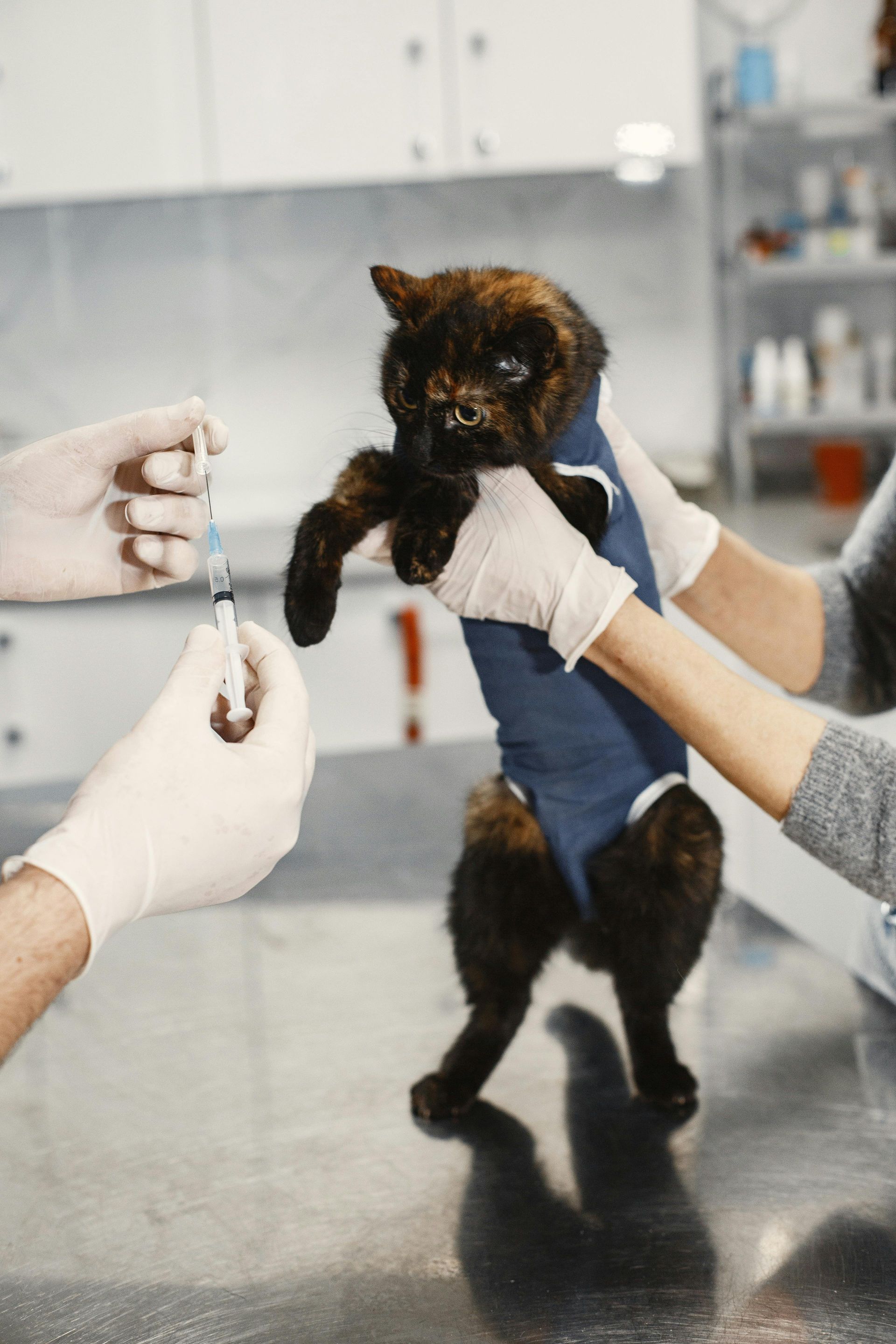
Travelling with your dog or cat in Portugal is usually smooth and stress-free - until an emergency happens. Knowing where to find a reliable 24/7 veterinary hospital can make all the difference when time matters. Portugal is well equipped with modern veterinary hospitals, especially in the Algarve, Lisbon, and Northern regions. Below you’ll find the most trusted emergency veterinary hospitals , plus essential tips every pet owner should know before travelling. Emergency Veterinary Hospitals in the Algarve (South Portugal) The Algarve is one of the most popular regions for pet-friendly holidays. These hospitals are the go-to options for emergencies , nights, weekends, and serious cases. Hospital Veterinário do Algarve – Faro The largest and most comprehensive veterinary hospital in the Algarve. Fully equipped for advanced surgery, imaging, and intensive care , making it the safest choice for critical emergencies. Hospital Veterinário de Portimão – Portimão Offers a 24-hour emergency service and is well known for clear communication in English , which is reassuring for international travellers. AniCura Algarve Hospital Veterinário – Loulé Part of the AniCura European network. Very modern, highly organised, and experienced with foreign clients and pet insurance paperwork . Emergency Veterinary Hospitals in Lisbon (Crucial for Travellers) If you are travelling through Lisbon or flying in or out of Portugal with a pet, these hospitals are particularly important. Hospital Veterinário do Restelo Often regarded as the best veterinary hospital in Portugal . They have specialists for nearly every animal type and excellent English-speaking staff . Hospital Veterinário de Lisboa Centrally located and highly experienced with export documentation and health certificates for pets flying abroad. Emergency Veterinary Hospitals in Porto & Northern Portugal Hospital Veterinário de Montenegro A reference point in Northern Portugal, known for high-level expertise and professional training , including international veterinary congresses. What Pet Owners Should Know Before an Emergency Happens 1. Language In larger veterinary hospitals, English is widely spoken . In smaller rural clinics, communication may be limited - another reason to rely on recognised hospitals when travelling. 2. Payment & Practicalities In Portugal, veterinary care is usually paid immediately after consultation . Most hospitals accept cards, but always carry a debit card (Maestro or V-Pay) or some cash, just in case. 3. Leishmaniasis & Heartworm Awareness Southern Europe - especially Portugal - has a higher risk of leishmaniasis and heartworm . Many Northern European pet owners are not prepared for this. For travellers using PetsTourism.com , understanding and preventing these diseases is a major advantage and an important part of responsible pet travel planning. Travel With Confidence Emergencies are rare — but preparation is peace of mind. Saving the contact details of a nearby 24/7 veterinary hospital before you travel can save precious time when it matters most. PetsTourism.com helps you travel smarter, safer, and more responsibly with your pet — because they’re family too. 🐾